
 Published April 8, 2026 · 4 min read · Personal Branding
What Is a Personal Branding Strategy and Why It Matters
Quick Answer
What is a personal branding strategy?
A personal branding strategy is a clear plan to shape how people see your expertise, ideas, and value online.
Why does it matter?
It turns your reputation into a growth channel. The right people trust you before you even speak to them.
What Is a Personal Branding Strategy and Why It Matters
The Real Definition of Personal Branding (Not What You Think)
Most people think personal branding means posting often. Or building a following. Or becoming “visible.”
That’s not quite it.
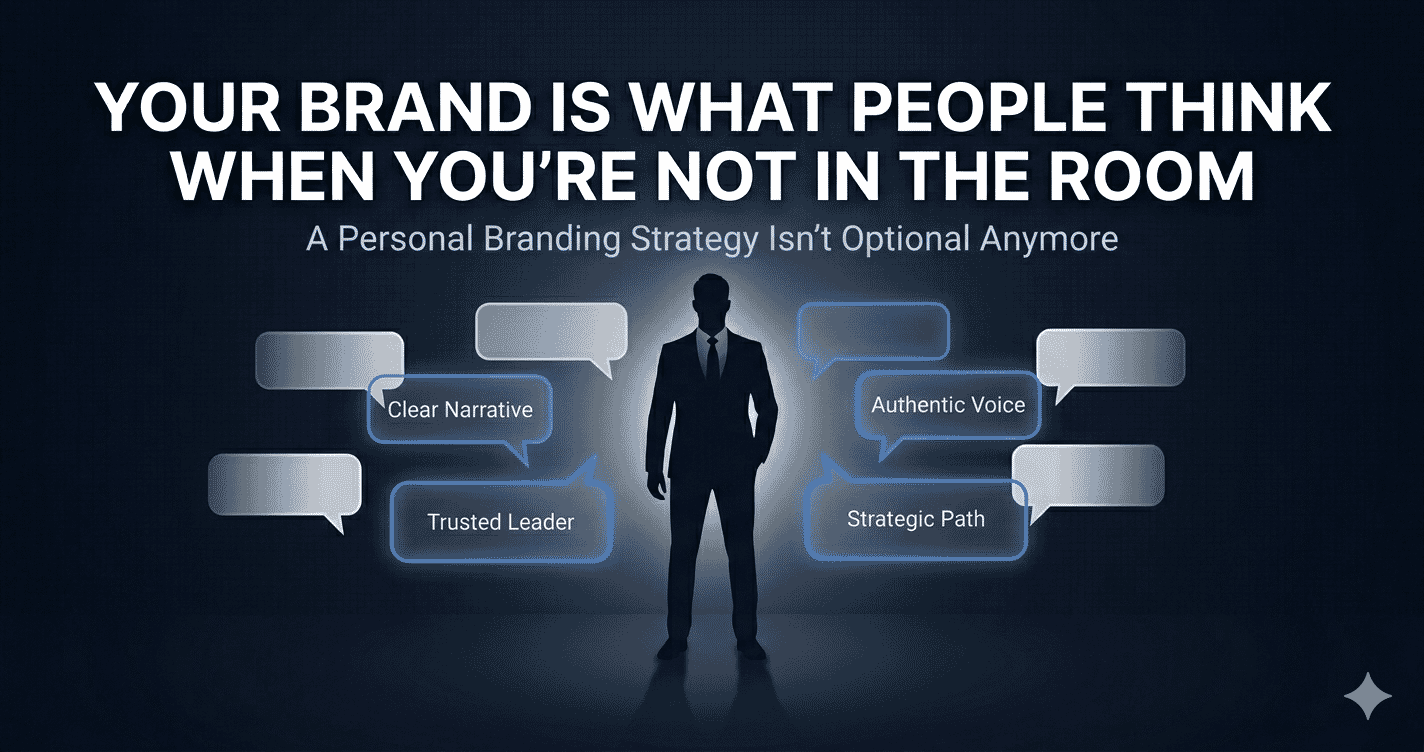
A personal branding strategy is really about control. Control over how people think about you when you’re not in the room.
Because whether you like it or not, people already form opinions. The only question is… are you shaping them, or leaving it to chance?
I like to think of it this way:
Your personal brand is what someone believes about you after reading your content for 30 days.
Not your resume. Not your website. Just your ideas, repeated over time.
Why Personal Branding Matters for Executives
It Shortens Sales Cycles
Trust is built before the first call. Prospects come in warmer. Sometimes already convinced.
It Attracts Opportunities
You don’t chase every deal. Some of them start coming to you—quietly, unexpectedly.
It De-risks Your Business
If one channel dries up, your reputation still works. It’s portable.
It Compounds Over Time
A post today can bring a lead months later. That’s the part many underestimate.
It’s slow at first. Then suddenly… it isn’t.
The 4-Part Personal Branding Strategy Framework
1. Positioning
Who do you help? What are you known for?
If this part is fuzzy, everything else feels scattered.
2. Narrative
Your beliefs. Your perspective. The way you explain things.
This is where people start to remember you.
3. Content Engine
Not endless posting. Just consistent ideas.
LinkedIn tends to work best for executives. It’s where attention meets intent.
4. Distribution and Leverage
This is where it scales.
Repurposing. Systems. Maybe a small team.
You don’t have to do everything yourself. Actually… you probably shouldn’t.
Why Most Personal Branding Efforts Fail
It’s rarely about effort. People try.
But they:
- Post without clear positioning
- Change messaging too often
- Focus on volume instead of clarity
- Burn out trying to do everything alone
There’s also this common belief:
Consistency is king.
Maybe. But consistency without clarity just makes confusion louder.
Do You Actually Need a Personal Branding Strategy?
Not everyone does. At least, not right away.
You likely need one if:
- You sell high-trust, high-ticket services
- Your name influences deals
- You want inbound opportunities
You might not need it yet if:
- Your business runs purely on ads or marketplaces
- Transactions are low-cost and fast
But here’s the thing… most businesses eventually hit a ceiling without trust.
That’s where personal branding starts to matter more.
The Hidden Lever: LinkedIn Ghostwriting
This part is often ignored.
Executives don’t struggle with ideas. They struggle with time.
You might have thoughts worth sharing. But they stay in meetings. Or notes. Or just… your head.
That’s where ghostwriting comes in.
Not as outsourcing. More like translation.
Your ideas, shaped into content. Your voice, just clearer.
The best founders don’t write everything themselves.
They direct.
How to Start Without Overthinking It
You don’t need a big system right away.
Start small:
- Clarify what you want to be known for
- Write 2–3 simple ideas each week
- Share them consistently
That’s enough to begin.
You can refine later. Everyone does.
Final Thoughts
A personal branding strategy isn’t about attention.
It’s about trust. At scale.
It builds slowly. Then it compounds. Then it starts opening doors you didn’t plan for.
And maybe that’s the real value.
If you already have the ideas but not the time… it might be worth thinking about how those ideas could work for you consistently.
FAQs
What is a personal branding strategy in simple terms?
It’s a plan to shape how people perceive your expertise and value online.
How long does it take to build a personal brand?
It depends, but most see traction in a few months with consistent effort.
Do CEOs need personal branding?
Yes, especially if trust and reputation influence deals and partnerships.
Is LinkedIn the best platform?
For executives, it often is. The audience is already business-focused.
Can I build a personal brand without posting daily?
Yes. Consistency matters more than frequency.